How to Choose the Right Used iPhone in 2026: Storage, Carrier, and Condition Guide

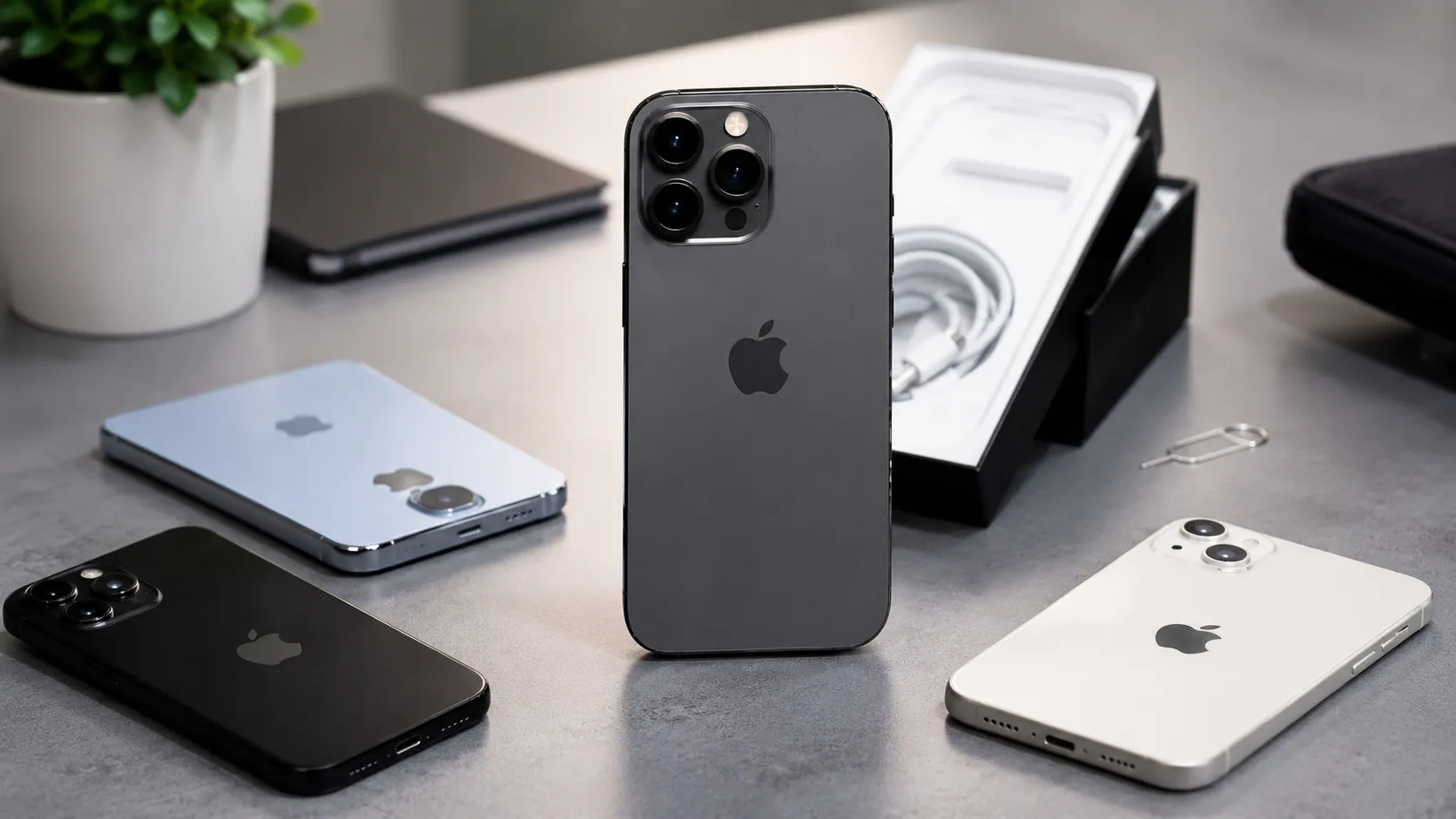
Buying a used iPhone in 2026 can be a smart way to get premium Apple quality without paying the full price of a brand-new device. Many buyers want the same smooth iOS experience, strong camera performance, long software support, and reliable daily use, but they also want to stay within budget. A pre-owned or refurbished iPhone can offer excellent value, especially when you know what to check before making a purchase.
However, choosing the right used iPhone is not only about picking the cheapest option. You need to consider storage size, carrier compatibility, battery health, cosmetic condition, warranty, return policy, and whether the phone is unlocked or locked to a specific network. A good used iPhone should fit your lifestyle, work with your carrier, and have enough storage for your apps, photos, videos, and daily needs.
This complete guide will help you understand how to choose the right used iPhone in 2026 so you can buy with more confidence.
Why Buying a Used iPhone Makes Sense in 2026
iPhones are known for their strong build quality and long-term software support. Even older models can still perform well for everyday tasks such as calling, texting, browsing, social media, online shopping, video streaming, photography, and mobile banking. Because of this, many people choose used iPhones instead of spending more on the newest model.
A used iPhone is also a good choice for students, business users, parents buying phones for teenagers, or anyone who wants a dependable device at a better price. You can often get more features for your money compared to buying a low-end new phone from another brand.
Still, the key is to buy the right model in the right condition. Not every used iPhone is the same. Two phones may look similar, but one may have better battery health, more storage, cleaner body condition, or better carrier compatibility. That is why checking the details matters.
Step 1: Choose the Right iPhone Model for Your Needs
Before choosing storage or carrier, start by deciding which iPhone model fits your use. In 2026, many buyers look for models that still feel modern, run smoothly, and support the latest apps. You do not always need the newest iPhone, but you should choose a model that can handle your daily routine.
For basic use, such as calls, messages, email, light browsing, and social media, a slightly older iPhone can still be a good option. For photography, gaming, video recording, business use, or heavy multitasking, it is better to choose a newer model with a stronger processor and improved camera system.
Think about how long you want to keep the phone. If you plan to use it for two to three years, choose a model that still has strong performance and good software support. Spending a little more on a better model can save you from needing another upgrade too soon.
Step 2: Pick the Right Storage Size
Storage is one of the most important things to check when buying a used iPhone. Unlike some Android phones, iPhones do not support microSD cards, so you cannot add physical storage later. The storage you choose at the time of purchase is what you will have for the life of the device.
64GB Storage
A 64GB iPhone may be enough for light users. If you mostly use your phone for calls, messages, browsing, and a few apps, this storage size can work. It is also suitable if you use cloud storage for photos and videos. However, in 2026, 64GB can feel limited for many users because apps, photos, videos, and system files take up more space than before.
Choose 64GB only if your budget is tight and you do not store many videos, games, or large files on your phone.
128GB Storage
For most buyers, 128GB is the best balance between price and usability. It gives enough space for apps, photos, videos, social media, documents, and everyday use. If you take regular photos and record videos occasionally, 128GB should feel comfortable.
This is usually the safest choice for students, office users, parents, and regular smartphone users. It gives you more breathing room without making the phone too expensive.
256GB Storage
A 256GB used iPhone is ideal for users who take a lot of photos, record videos, download movies, keep many apps, or use their phone for work. If you create content, travel often, or do not want to worry about deleting files, 256GB is a strong choice.
It can also improve resale value because buyers often prefer higher storage models when purchasing used phones.
512GB or More
Large storage options are best for power users. If you shoot high-quality videos, manage business files, download large games, or store a huge media library, then 512GB or higher can be useful. However, for the average user, this may be more storage than needed.
When buying used, higher storage models can cost more, so make sure you really need the extra space before paying more.
Step 3: Understand Carrier Compatibility
Carrier compatibility is extremely important when buying a used iPhone. A phone that looks perfect is not useful if it does not work with your mobile network. Before buying, check whether the iPhone is unlocked or locked.
Unlocked iPhones
An unlocked iPhone can work with different carriers, as long as the model supports the required network bands. This is usually the best choice because it gives you more freedom. You can change carriers, use prepaid service, or travel with more flexibility.
If you want a simple and safe option, choose an unlocked used iPhone whenever possible.
Carrier-Locked iPhones
A carrier-locked iPhone is tied to a specific network. For example, it may only work with one carrier until it is officially unlocked. These phones can sometimes be cheaper, but they are risky if you are not using the same carrier.
Before buying a locked iPhone, confirm the exact carrier and make sure it will work with your SIM or eSIM. If you are not sure, it is better to avoid locked phones and choose an unlocked model.
SIM and eSIM Support
Many newer iPhones support eSIM, and some models may depend heavily on eSIM depending on the region. Before buying, check whether you need a physical SIM card, eSIM, or both. Make sure your carrier supports the activation method required by the phone.
This is especially important if you are switching carriers or buying a phone that was originally sold in another country.
Step 4: Check Battery Health
Battery health is one of the biggest factors in used iPhone performance. Over time, all phone batteries lose capacity. A used iPhone with poor battery health may drain quickly, shut down unexpectedly, or feel less reliable.
When possible, look for an iPhone with strong battery health. Many buyers prefer battery health around 85% or higher, but the right choice depends on price and condition. If the battery health is lower, the phone may still work, but you should expect shorter battery life or plan for a future battery replacement.
Battery health matters more if you use your phone heavily throughout the day. If you travel, work outside, take many calls, or use mobile data often, choose a phone with better battery condition.
Step 5: Understand Cosmetic Condition Grades
Used iPhones are often sold with condition grades. These grades help buyers understand how the phone looks physically. The exact wording can vary by seller, but most condition grades fall into a few common categories.
Excellent Condition
An excellent-condition used iPhone usually has very light signs of use. It may look almost new, with minimal scratches or marks. This is a good choice if appearance matters to you and you want a clean device.
Excellent-condition phones usually cost more, but they offer a better overall feel.
Good Condition
A good-condition iPhone may have minor scratches, small marks, or light wear, but it should still work properly. This is often the best value option because you get a reliable phone at a better price than excellent-condition models.
If you use a case and screen protector, small cosmetic marks may not matter much.
Fair Condition
A fair-condition iPhone may show visible wear, scratches, dents, or heavier signs of use. It can still be fully functional, but it may not look as clean. This option is best for budget buyers who care more about performance than appearance.
Before buying a fair-condition phone, make sure the screen, camera, buttons, speakers, charging, Face ID, and network functions are working properly.
Step 6: Check the Screen and Body
The screen is one of the most expensive parts of an iPhone. When choosing a used iPhone, make sure the display is clear, responsive, and free from serious damage. Small scratches may be acceptable depending on the price, but cracks, dead pixels, touch issues, or display discoloration should be avoided.
Also check the body frame. A bent frame, deep dents, or signs of heavy impact can indicate past damage. Water damage is another serious concern. Even if the phone works today, water exposure can create problems later.
A clean screen and solid body usually mean a better long-term experience.
Step 7: Check Camera, Speakers, and Buttons
Many buyers focus only on storage and price, but small hardware features matter too. Before buying, confirm that the front and rear cameras work properly. The camera should focus clearly, take sharp photos, record videos, and switch between lenses if the model has multiple cameras.
Speakers should be clear during calls, music, and videos. The microphone should record your voice clearly. Buttons should feel responsive, including volume buttons, power button, silent switch, and any other controls.
Face ID is also very important. If Face ID does not work, the phone may have had screen or sensor damage. A used iPhone with working Face ID is usually more desirable.
Step 8: Compare Price With Condition
The cheapest used iPhone is not always the best deal. A very low price may mean poor battery health, locked carrier status, heavy cosmetic wear, missing features, or hidden issues. Instead of buying only by price, compare value.
A good deal should include the right model, enough storage, compatible carrier status, acceptable battery health, clean condition, and seller support. Sometimes paying a little extra for better battery health or unlocked status is worth it.
Think about total ownership cost. If a cheaper phone needs a battery replacement soon or does not work with your carrier, it may end up costing more.
Step 9: Buy From a Seller With Clear Policies
When buying a used iPhone online, seller trust matters. Look for clear product descriptions, real condition details, return policy, warranty information, and customer support. A trusted seller should clearly explain what you are buying.
A return policy gives you peace of mind in case the phone does not meet expectations. Warranty support is also valuable because it shows the seller stands behind the product.
Avoid listings that are unclear, missing important details, or priced far below normal market value. A professional product page should mention storage, color, condition, carrier status, and included accessories if any.
Step 10: Choose Based on Your Lifestyle
The best used iPhone for one person may not be the best for another. A student may need a budget-friendly iPhone with good battery life and enough storage for apps. A business user may need strong performance, more storage, and reliable carrier compatibility. A content creator may need a better camera and larger storage. A parent buying for a teenager may prefer a durable model at a reasonable price.
Before buying, ask yourself:
Do I need lots of storage?
Will I use this phone for work or basic daily use?
Do I need an unlocked phone?
Is battery life very important to me?
Do I care about cosmetic condition?
How long do I plan to keep this iPhone?
Your answers will help you choose the right model without overpaying.
Final Thoughts
Choosing the right used iPhone in 2026 is all about balance. You want a phone that fits your budget, but you also need enough storage, good battery health, proper carrier compatibility, and a condition grade that matches your expectations. A used iPhone can be an excellent investment when you check the details before buying.
For most users, a 128GB unlocked iPhone in good or excellent condition is a safe and practical choice. Heavy users may prefer 256GB or more, especially if they take many photos and videos. Battery health, screen quality, Face ID, camera performance, and seller policy should always be part of your decision.
A smart buyer does not just look for the lowest price. A smart buyer looks for the best value. When you choose carefully, a used iPhone can give you premium performance, reliable daily use, and strong long-term value without the high cost of buying brand new.
